
Why Do We Keep Postponing the Pause We Know We Need?
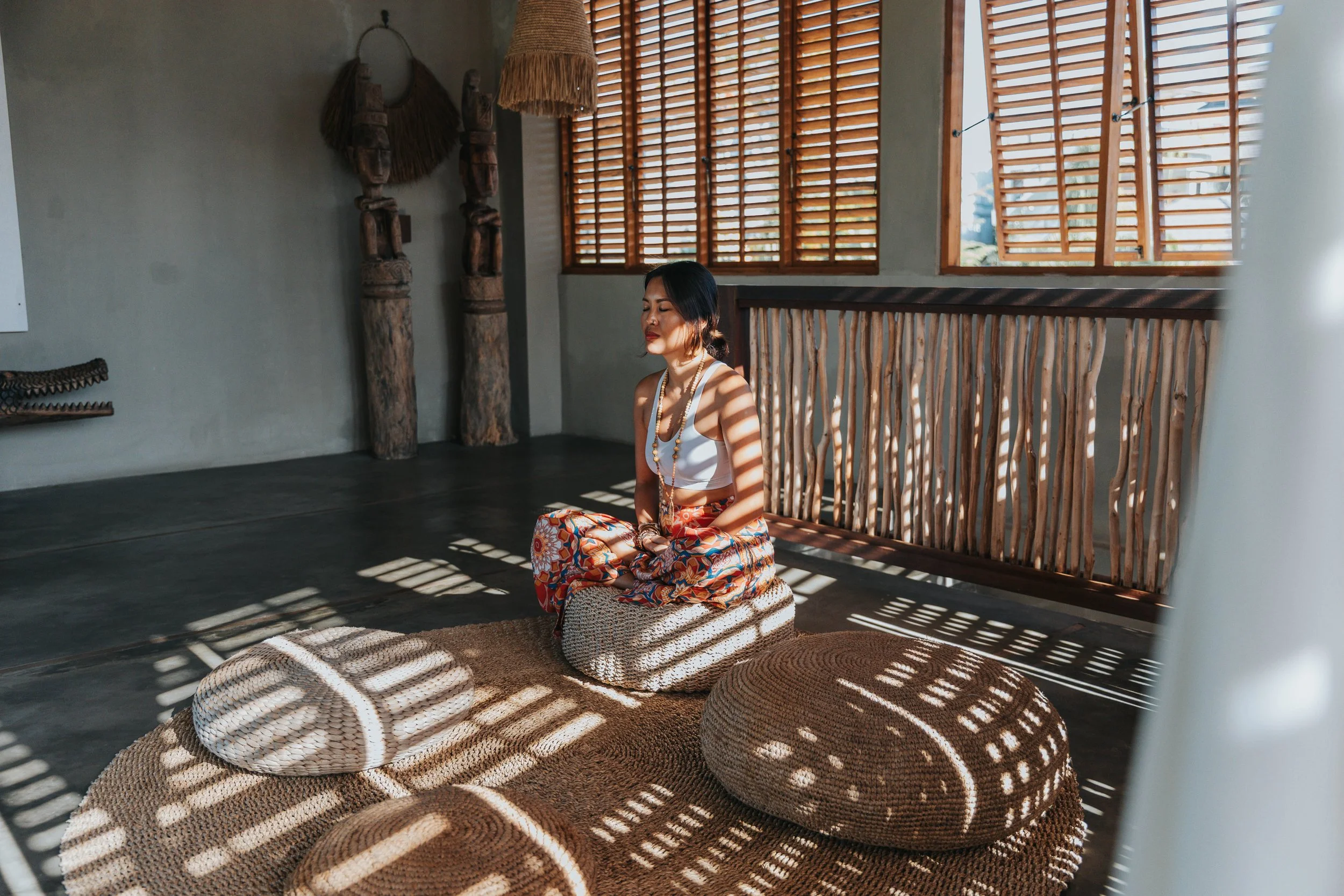
I sometimes wonder whether we postpone a pause because we have made the beginning feel bigger than it needs to be. We know we would welcome a quieter moment, yet find ourselves waiting for a clearer diary or a better idea of where to start. Perhaps you have a meditation class saved on your phone, intending to return to it when the timing feels right.
If you are exploring meditation in Singapore, I would begin with whatever is still making you hesitate. Is it finding the time, wondering what happens when you arrive, or feeling unsure whether the class welcomes beginners? Giving those questions an answer may help turn the pause you keep thinking about into a first visit you can actually picture.
Start with the decision in front of you
You might be curious about being guided through a practice. Perhaps you would like to experience meditation with other people, or find out whether it is something you enjoy.
That is enough to bring to an introductory session.
There is time to consider a regular practice after you have some experience to draw on. For now, I would keep the next step small: choose a suitable session if the details are clear, or ask about the one thing leaving you unsure.
That question may be very practical. “Can I arrive straight from work?” “Do I need any experience?” It deserves an answer, even if it seems too ordinary to ask.
What should I know before choosing a class?
When looking at meditation classes in Singapore, I would read the practical details as carefully as the description of the experience.
A shorter class across the island may ask more of your afternoon than a longer one near your office. Consider the journey, arrival time and what follows the session. Choose something that fits the day you actually have.
A few questions can help:
Are complete beginners welcome? Check whether any previous experience is expected.
What will the session involve? Ask whether it is verbally guided, mainly silent or combined with other practices.
What should I wear or bring? Find out what is provided before buying anything.
What am I committing to? Check the fee, booking conditions and whether attending a single session is possible.
According to the US National Center for Complementary and Integrative Health, an instructor’s training and experience are also things to ask about when considering a meditation practice.
I would pay attention to how your questions are received. A clear, considered answer gives you something useful to base your decision on.
Let someone guide the beginning
There can be something reassuring about having a person explain what happens next.
For a first experience of meditation in Singapore, look for a facilitator who welcomes questions and explains how you can adapt your participation. If sitting still feels unfamiliar, ask whether you can use a chair, change position or take a break. Confirm these arrangements beforehand.
You can also say, “I have never done this before.”
If the worry is that you will not be good at meditation, an introductory class gives you somewhere to ask what beginning actually involves. You do not need to arrive with a particular feeling or prove that you can become calm.
For me, thoughtful facilitation leaves room for the person who is still finding their way.
If beginning through movement feels more approachable, you may also like to explore How Can Yoga Help Me Pause Before I Respond?
What would make the invitation clearer for colleagues?
The person arranging a workplace session can be a beginner too.
You may be exploring meditation for yourself while wondering whether colleagues would welcome it. Before settling on a format, consider which corporate wellness activities your team actually needs.
Then think about the invitation.
A calendar entry saying “Meditation, Tuesday, meeting room” leaves quite a lot for someone to imagine. Explain who will guide the session, whether beginners are welcome, what participation involves and when it finishes. Include any confirmed adaptations and a contact for questions.
Make participation optional, and arrange time people can actually attend. Someone should be able to express a practical preference without having to explain their personal history.
For HR and managers, Building a Healthier Workplace: What Can Each of Us Do? explores who can arrange and support those conditions.
I would want a colleague reading the invitation to feel they can picture themselves arriving. Small details can carry that care.
Frequently asked questions
Does meditation have to involve spiritual or religious beliefs?
No. According to UC Berkeley’s Greater Good Science Center, mindfulness has roots in Buddhist meditation and has also developed in secular forms. Classes differ, so ask whether a session includes spiritual teachings, chanting or religious elements. For a workplace invitation, describe the approach clearly so colleagues can make an informed choice.
Could an online meditation class be a suitable first step?
It may be a practical option if travel makes attendance difficult. Check whether a live session includes opportunities to ask questions and what participation involves. A recording offers flexibility but cannot respond to you in real time. Consider whether you have somewhere to join with manageable interruptions, and choose the kind of support you would welcome.
What if I try a class and decide it is not for me?
You can leave the decision there. You might also consider whether the pace, guidance or setting suited you and ask about another approach if you remain curious. One visit gives you information about that experience. There is no obligation to book again or push through something that feels wrong.
Come back to the class you saved
When you return to that saved class, you might now know what you need to ask:
“I am new to meditation. Is this suitable for a first visit, and can I attend once before deciding about further classes?”
Beginning meditation in Singapore can be as ordinary as sending that enquiry. The class on your phone becomes a conversation, and the first visit becomes easier to picture.
Would you like to help your team take that first step?
Explore ways to invite OASIS into your workplace, including Workplace Wellbeing Seminars and Yoga for the Workplace. Share what your colleagues would welcome, the time available and the questions you would like to talk through.