

blog library
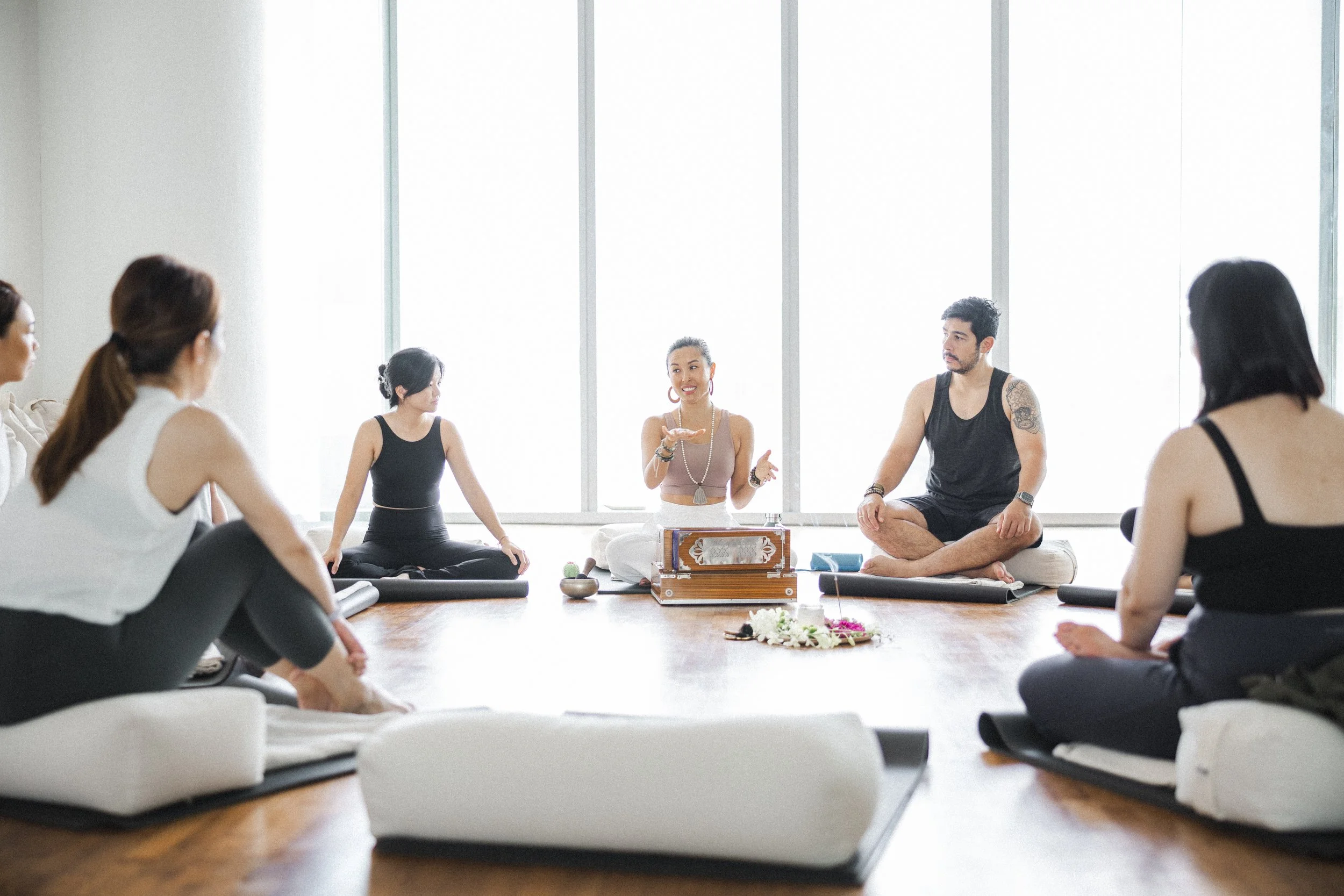
How Can a Simple Body Check-In Support My Health and Wellness at Work?
Before I began teaching yoga, I knew what it was like to move through corporate life while carrying more stress than I realised.
Looking back, what stays with me is not only what I was thinking during those periods, but what my body was quietly doing alongside me. The shoulders that had crept upwards. The breath I had barely noticed. The strange tiredness that seemed to arrive before the working day was over.
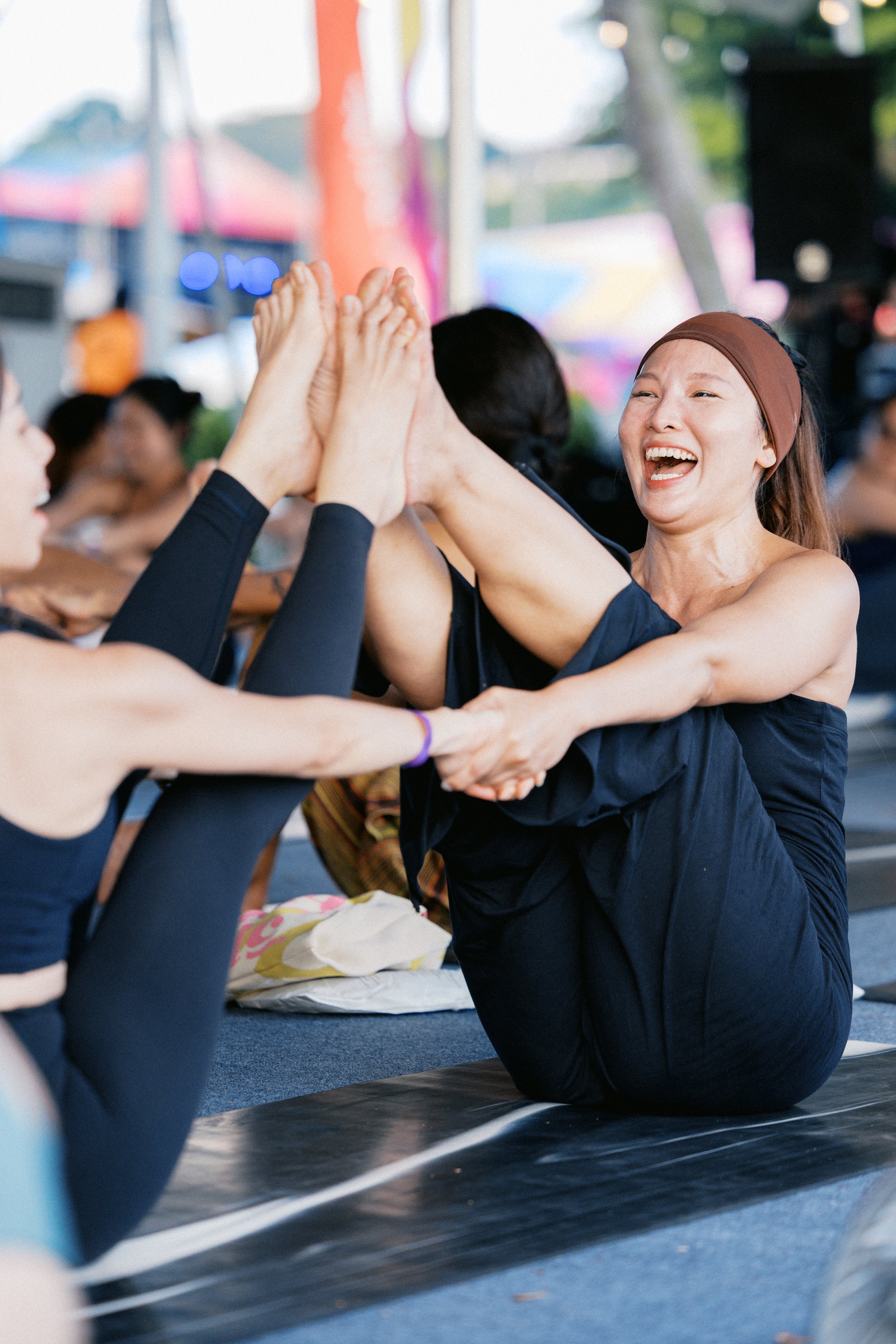
What Should I Expect from My First Yoga Group Class at Work?
Being new at something feels different when the person on the mat beside you was leading the 9 a.m. meeting.
At your desk, you know the rules. In a yoga group class, you may suddenly be wondering where to put your shoes, whether everyone else knows the poses, and what happens if your body simply says, “not today”. When I hold a practice, I return to one simple idea: people should not have to perform wellbeing.

How Can I Make Room for Restorative Yoga in My Working Week?
For me, rest is not simply a gap in the diary. In The pause between pain and peace, I wrote about spending three weeks receiving guidance rather than holding space for others, with ocean air, music and time to be cared for. That experience sits behind a question I bring to restorative yoga: could we let ourselves receive support while life is still unfinished?

How Can Yoga Help Me Pause Before I Respond?
For me, a pause is not the same as having nothing to say. It is a chance to hear what is about to speak: the concern itself, or the rush to defend against it. Before teaching yoga, I knew the strain of corporate life first-hand; yoga and mindfulness became part of learning to listen to myself again.
That is the possibility I want to explore through yoga for stress management: a little more choice in a moment that seems to demand an immediate response.

How Can We Recognise When Someone May Need Mental Health Support at Work?
I think of a progress update as a cropped photograph: it shows what has been finished, but not necessarily what it took to get there. My own experience of corporate stress, and the practices that helped me reconnect with my body, are part of why I care about what sits outside that frame.
When I think about workplace mental health in Singapore, I want to make room for the person’s experience, even when the work is going well.
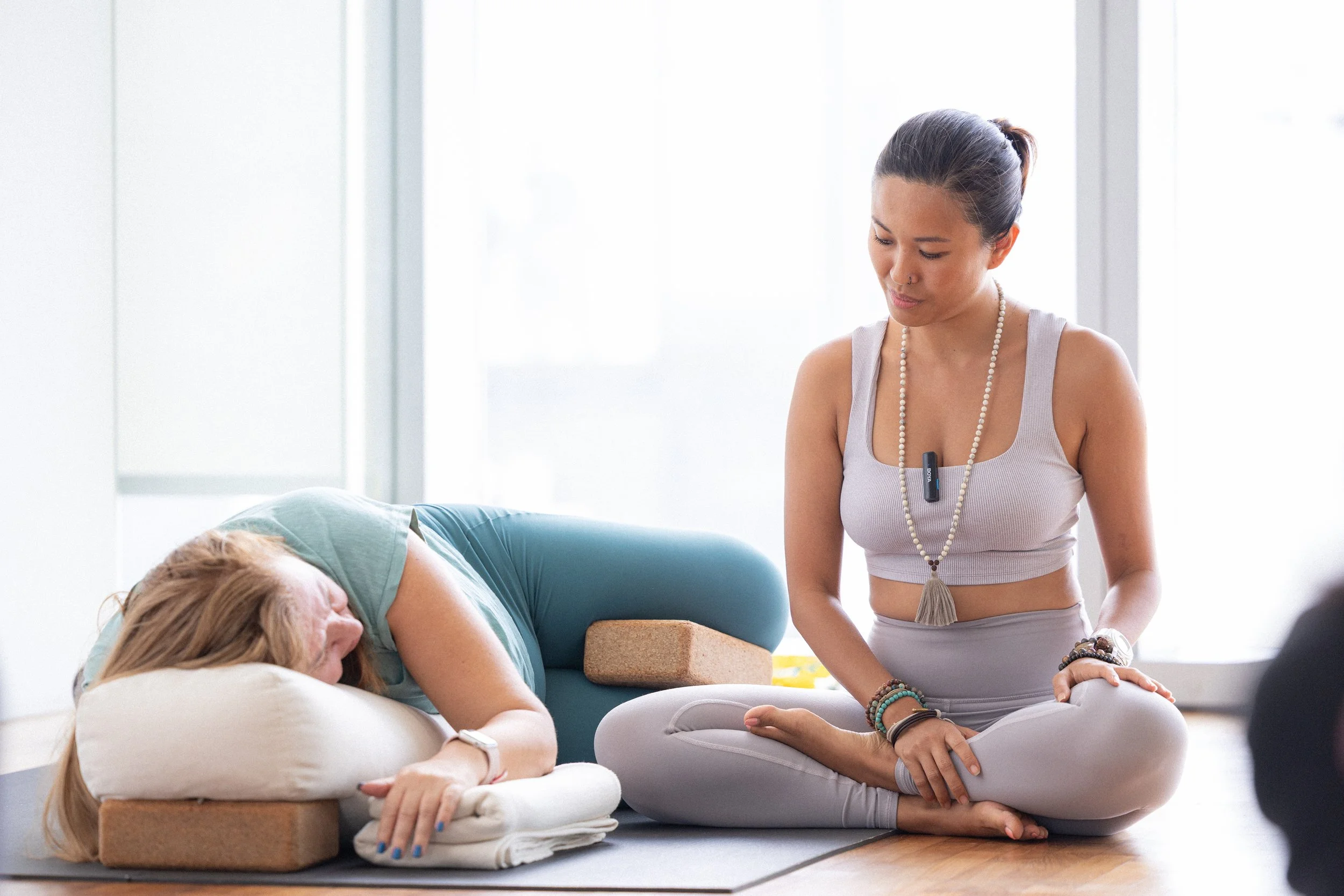
Who’s Guiding Your Team’s Wellbeing? Choosing the Right Facilitator
I think of thoughtful facilitation as a form of hospitality: the care with which someone welcomes you into an experience. In The unfiltered realities of life, I wrote about the Sri Lankan family who included me in their lives when I was nineteen in Australia, from family celebrations to meals of coconut roti. That memory offers a way of thinking about corporate wellness workshops: beyond what people will do, how will they be received?
For an HR organiser comparing two appealing proposals, that can be difficult to judge. You may already have considered which wellness activities your team needs. The next question is who you trust to guide them.
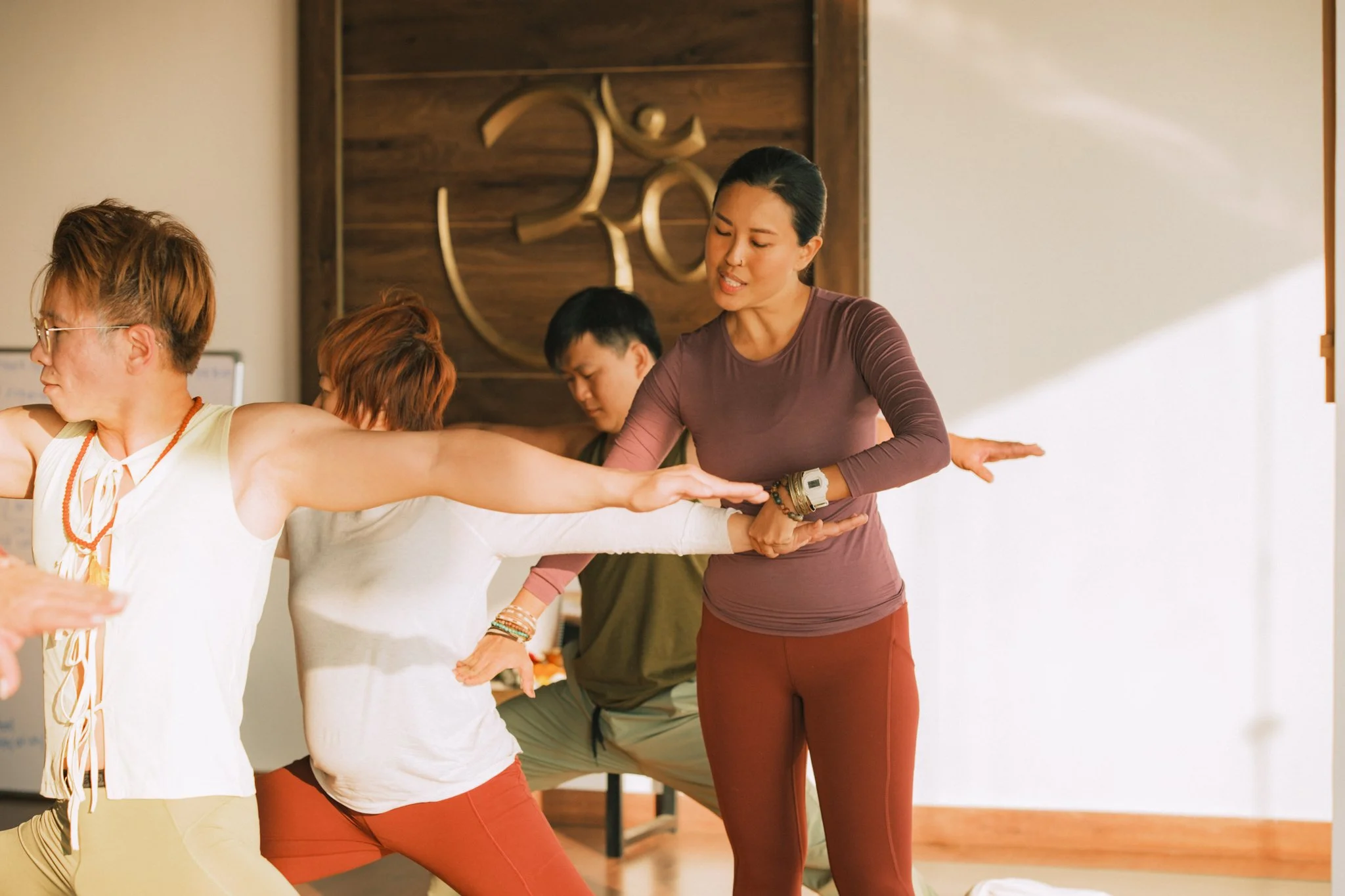
Helping Teams Connect Without Forcing It
Over time, you get to know the people you work with in a particular way.
You learn who can untangle an invoice, who stays calm when a presentation goes wrong and who will always find an answer to a tricky question. You might rely on each other every day, yet know very little about one another beyond work.

Building a Healthier Workplace: What Can Each of Us Do?
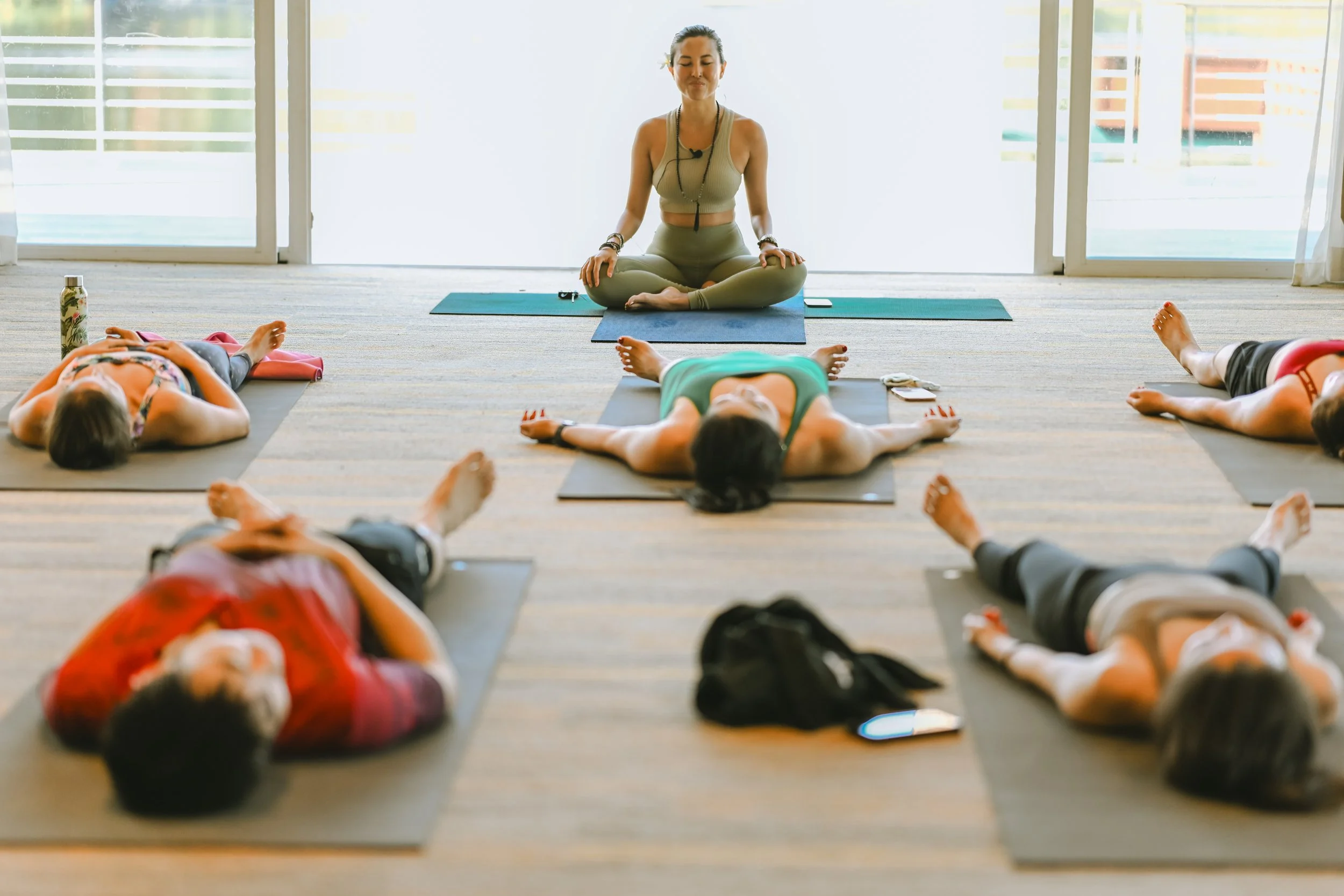
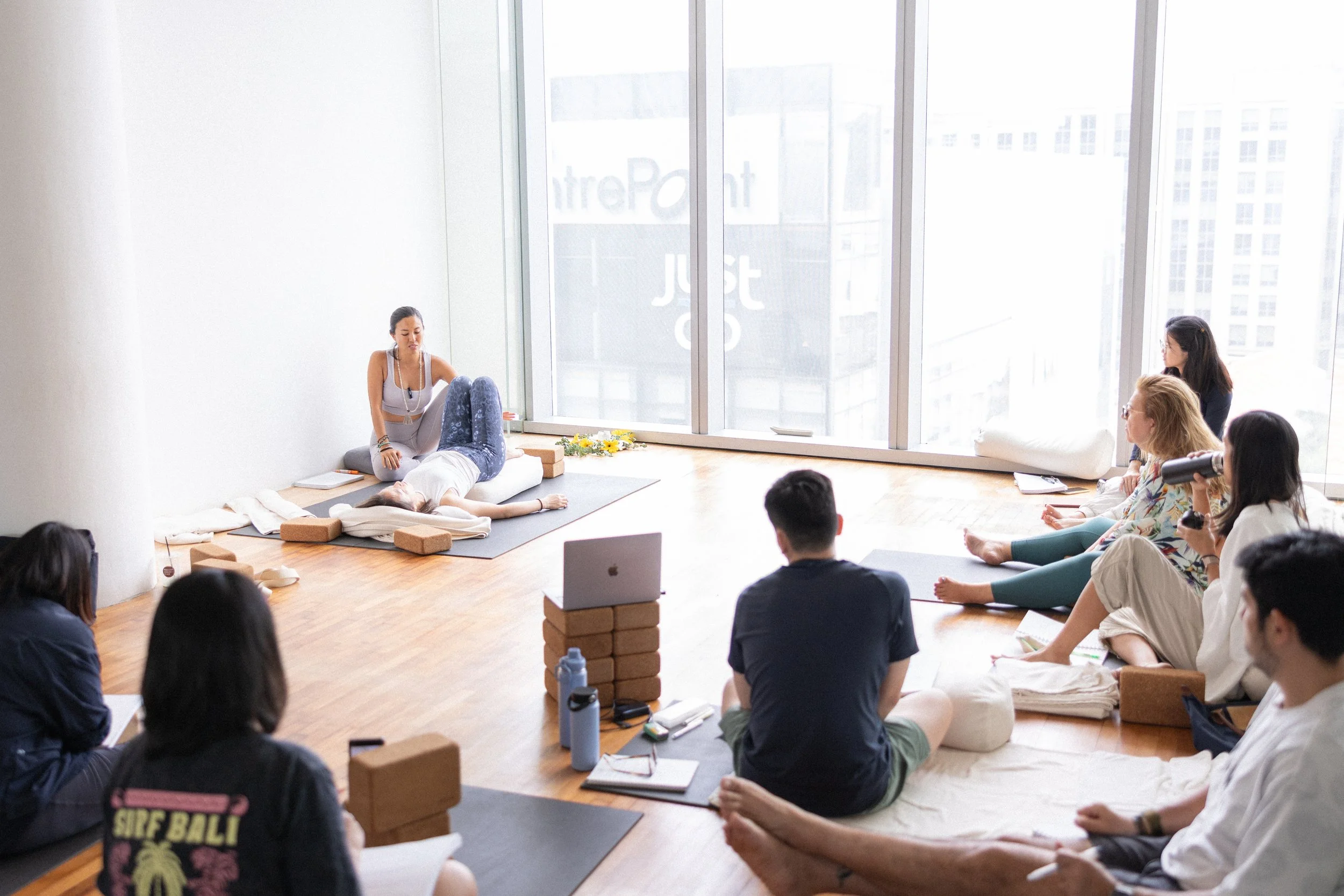
In Restorative Yoga, small adjustments can make a difference.
Moving a bolster or adding a folded blanket might help someone’s shoulders soften and allow them to settle more comfortably.
Health and wellness at work also calls for practical attention: what would help, and who can make it happen?
We often say that everyone has a part to play in workplace wellbeing.
But it’s easier to take action when we know what we can do ourselves and where we need someone else’s help.
Who Supports the People Who Support Everyone Else?
You send the wellbeing invitation, remind the team to take a break and make sure everyone knows support is available. But when the session begins, you’re still at your desk, catching up on everything else.
In Resourced for the Road Ahead, I wrote about making time to replenish before a busy season of holding space for others. I return to that intention when I think about mental wellness in the workplace: HR professionals, managers and wellbeing champions deserve a place in the care they help arrange.

What Does Workplace Wellness Look Like on an Ordinary Day?
For me, a wellbeing session begins with the invitation.
Before anyone takes a seat or pauses to notice their breath, they’re already wondering: What will this involve? Will I be comfortable? Is this for me?
You may have spent weeks finding a thoughtful facilitator, getting the budget approved and setting a date. But the person opening your announcement won’t see all that work. A message like “We prioritise your wellbeing” can still leave them wondering what support is available and how to take part.
What Happens After a Corporate Wellness Day? A Practical Follow-Up Guide
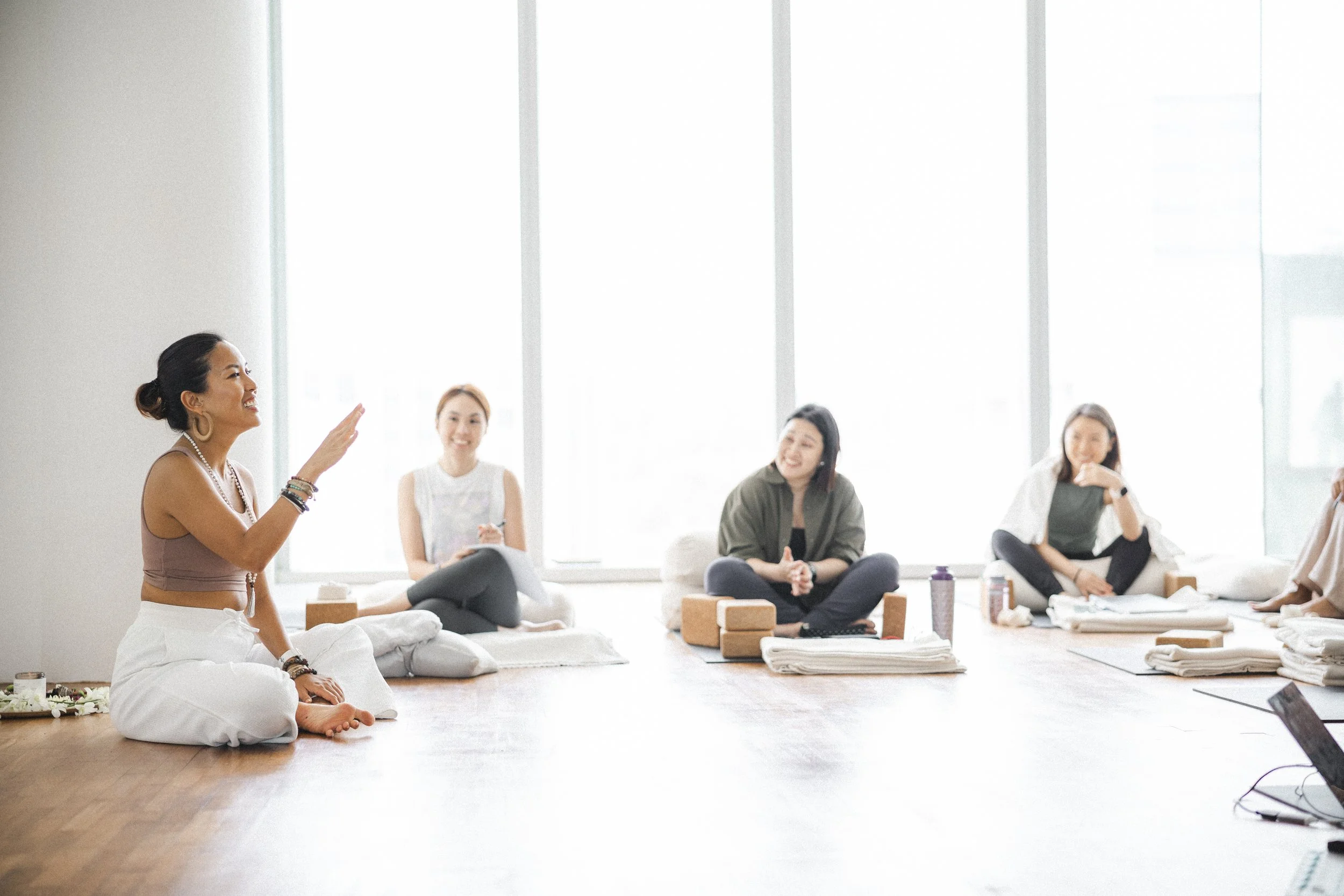
I have learnt that the value of a corporate wellness day cannot be measured on the day itself. The more honest measure arrives later, on an ordinary Tuesday, when someone meets a familiar pressure with a little more awareness, language or choice. This is where a wellness program becomes part of working life—or remains one lovely afternoon.
The day can open a door. What follows determines whether people can find it again.

When Workplace Wellness Feels Like More Work: How to Reduce Participation Friction
Over the years, I have come to think of some workplace wellbeing sessions as being offered on borrowed time. The hour appears protected in the calendar, yet an employee may quietly repay it through a missed lunch, unfinished work or a longer evening.
This is how even well-intentioned corporate mental wellness programmes can begin to feel like more work: care is offered, but the cost of receiving it still falls on an employee whose capacity may already be stretched.
Which Corporate Wellness Activities Does Your Team Actually Need?
When organisers begin searching for wellness activities, the request can sound deceptively simple.
“Our team is tired. We would like to do something for them.”
From there, it is tempting to look through a menu of options and choose what appears most enjoyable: yoga, meditation, sound healing, a seminar or perhaps something more interactive.
But tiredness does not always look the same.

Can a Company Wellness Programme Work in Singapore’s Always-On Culture?
In Singapore, many company wellness programmes begin with three sincere hopes: less stress, healthier boundaries and more compassionate communication. I understand the hope. Yet a programme is only one voice in a workplace, and culture speaks all day. Whether those hopes take root depends on the workplace wellbeing culture around it.
Speed can become a kind of weather: the reply sent before breakfast, back-to-back meetings, the quiet pride of always absorbing one more task.
What Corporate Wellness Can—and Cannot—Offer an Exhausted Team
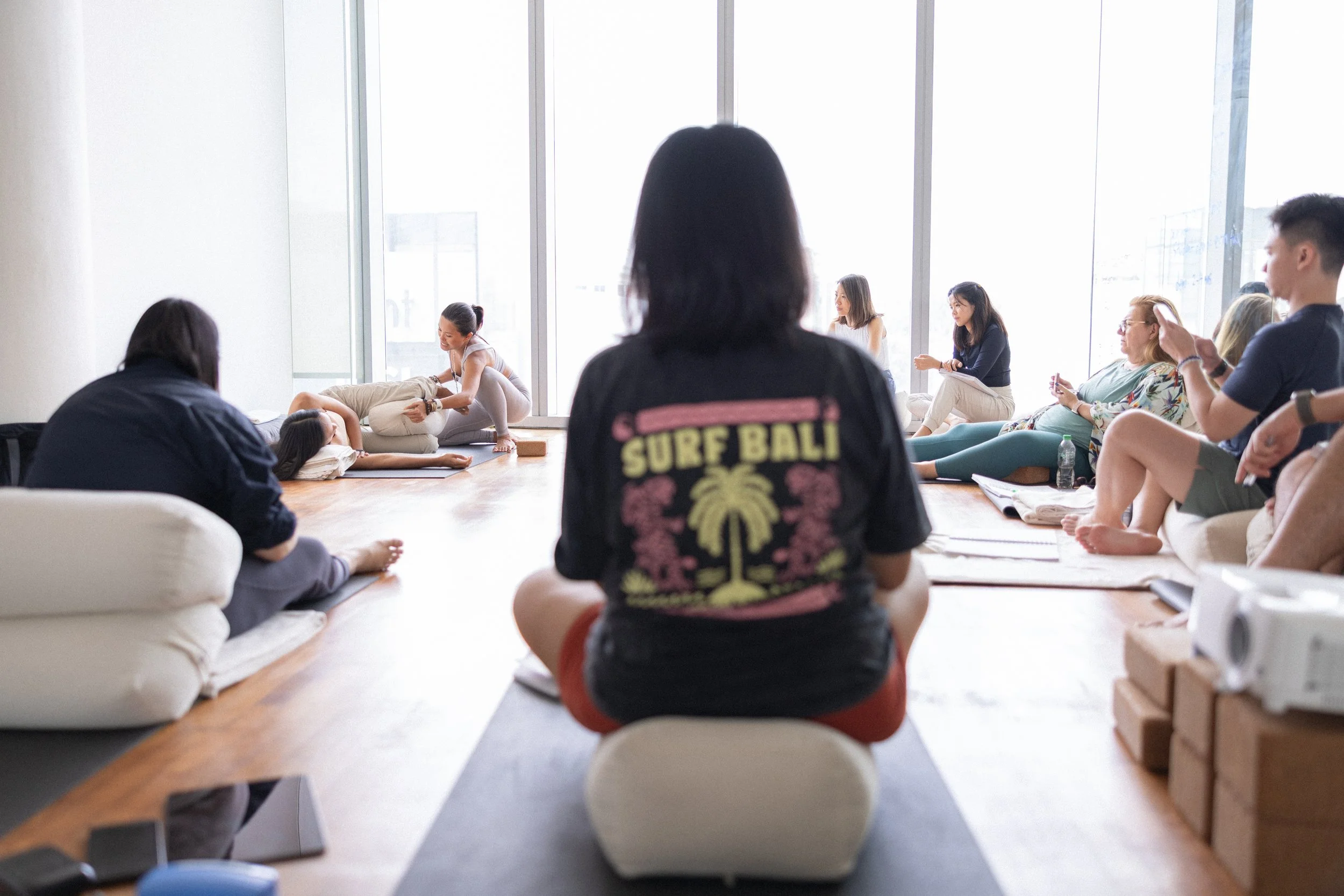
Over the years, I have seen corporate wellness programmes asked to carry very large hopes: healthier employees, stronger productivity and fewer people choosing to leave. I understand why. Yet after a decade of facilitating wellbeing, I have come to believe that what corporate wellness programmes offer an exhausted team is often quieter—and no less meaningful: a chance to recognise stress, reconnect with the body and feel supported without having to perform wellness.
That may sound modest when the need feels urgent. But modest does not mean insignificant. A thoughtful programme can create an opening.
It cannot become the whole answer.