
blog
feature posts
Uncovering the Oasis Within is quite a mouthful, isn’t it?
I’ve lost count of the number of people who didn’t quite have the memory bank—or perhaps the attention span—to let this guiding philosophy land whenever they asked for my website’s URL, email address, or even the name of the movement I started.
Uncovering the Oasis Within is quite a mouthful, isn’t it?
I’ve lost count of the number of people who didn’t quite have the memory bank—or perhaps the attention span—to let this guiding philosophy land whenever they asked for my website’s URL, email address, or even the name of the movement I started.
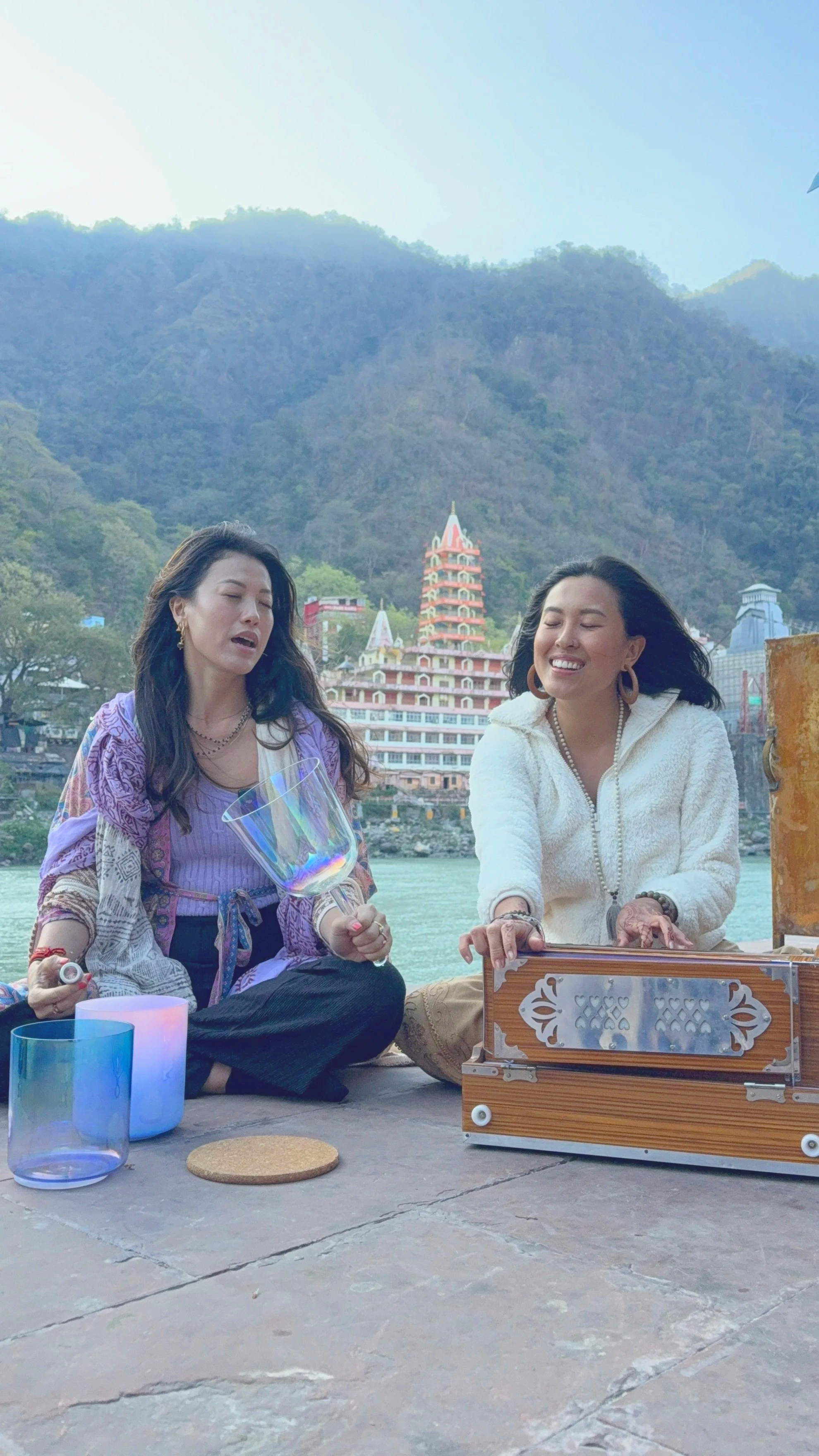
When we think of sound healing today, the image that often comes to mind is someone lying comfortably on a mat, eyes closed, surrounded by the resonant tones of singing bowls.
There is beauty and value in this experience. But my understanding of sound as a contemplative practice began somewhere quite different.
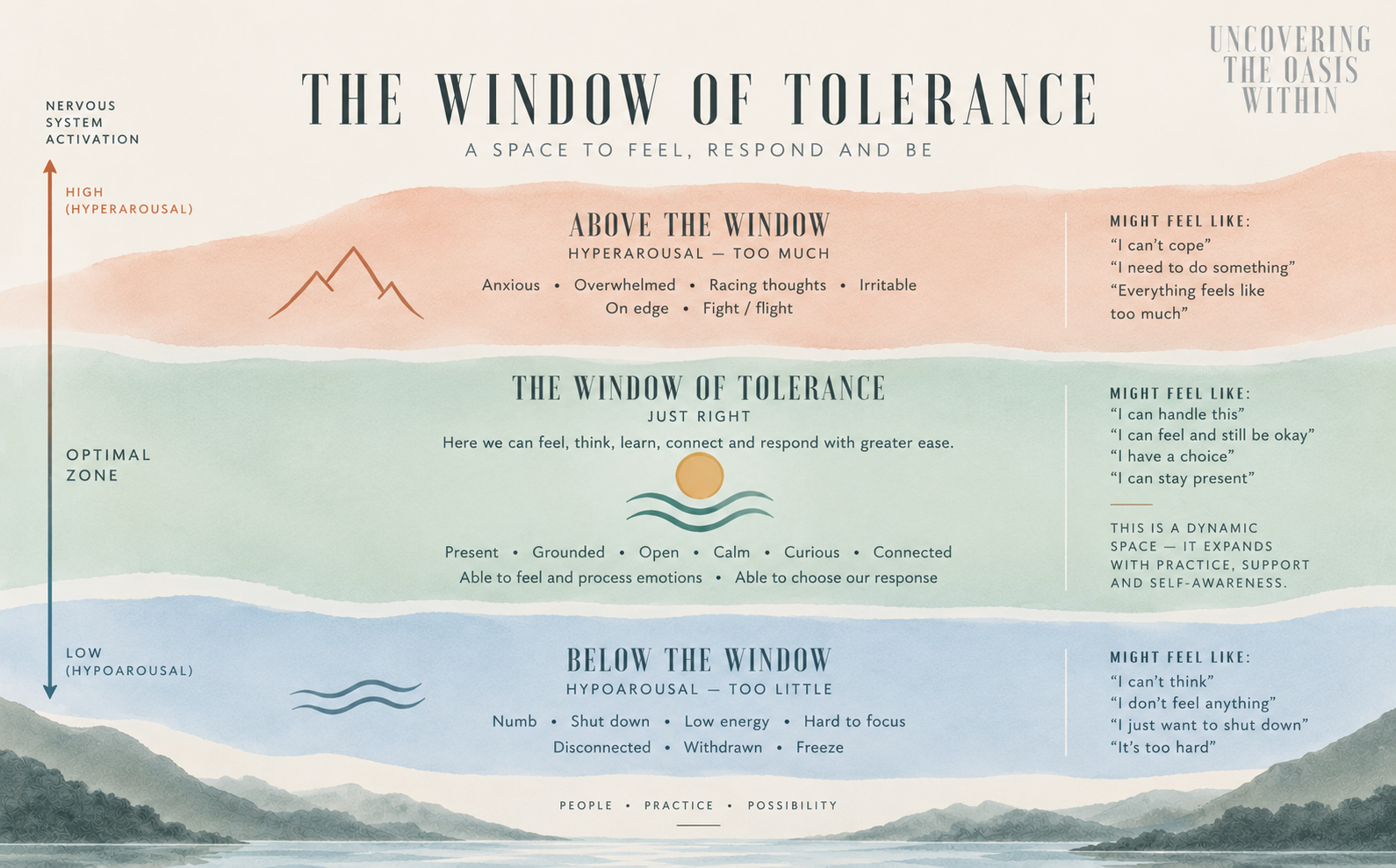
The Window of Tolerance describes the range of nervous-system activation within which we can remain present, think clearly, process emotions and respond to what is happening with some degree of choice. When activation becomes too high, we may move towards hyperarousal—anxiety, irritability, overwhelm or fight-or-flight. When activation falls too low, we may experience hypoarousal—numbness, disconnection, exhaustion or shutdown.
I have learnt that the value of a corporate wellness day cannot be measured on the day itself. The more honest measure arrives later, on an ordinary Tuesday, when someone meets a familiar pressure with a little more awareness, language or choice. This is where a wellness program becomes part of working life—or remains one lovely afternoon.
The day can open a door. What follows determines whether people can find it again.
Uncovering the Oasis Within is quite a mouthful, isn’t it?
I’ve lost count of the number of people who didn’t quite have the memory bank—or perhaps the attention span—to let this guiding philosophy land whenever they asked for my website’s URL, email address, or even the name of the movement I started.
Throughout October, all proceeds from my OASIS projects will be donated to the Singapore Red Cross, in support of humanitarian response efforts for communities affected by the deadly flash floods and landslides in Nepal on 26 August.
This will include proceeds from the Spaciousness Series,OASIS Outreach Wellbeing Series,Prayer for Peace Kirtan, Ritual Candle Range, and Remembrance Cards, as well as Wellbeing Team Bonding requests for the corporate sector.
There is a common misconception that nervous system regulation is something we turn to only when we're overwhelmed. We meditate because we're stressed. We rest because we're exhausted. We slow down because life has finally forced us to.
But what if regulation wasn't simply a form of maintenance or crisis management, but preparation instead?
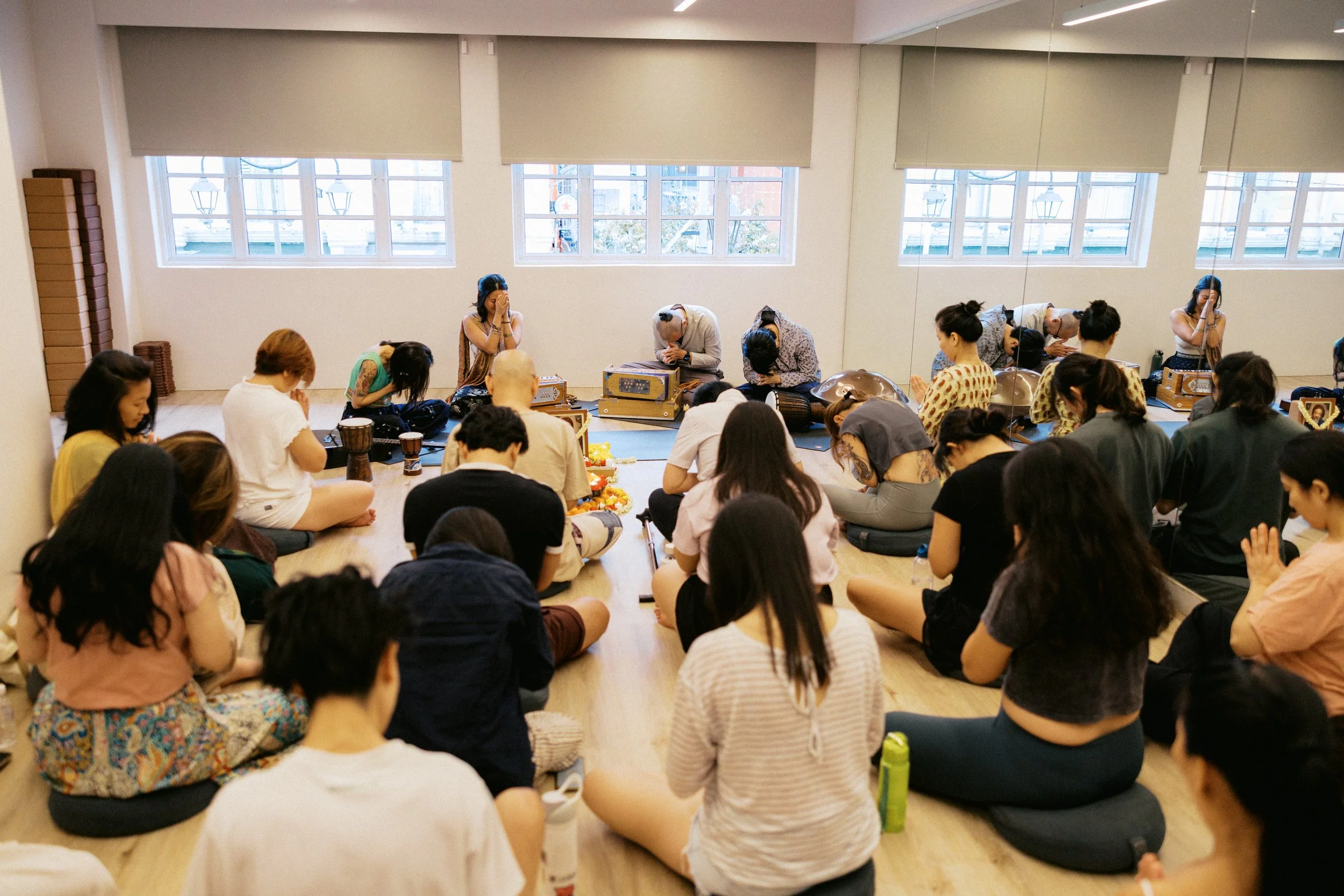
I had the privilege of joining the Nithya Priyan School of Yoga community of yogis in kirtan, where voices came together in devotion through mantra and song. Looking around the room, I was reminded that Bhakti Yoga is my way of praying for the world. Through devotion, mantra, and song, I'm reminded that there is something greater than any one of us—a shared humanity that longs for peace, compassion, and connection.
I've spent years studying stress, practising mindfulness, teaching Restorative Yoga, and helping others understand nervous system regulation. I know what hyper-arousal feels like. I know the theory. I know the practices. And yet, there I was.
Trying to breathe. Trying to pause. Trying to choose my responses carefully. But every interaction felt like another wave before I'd had the chance to come up for air.
There’s a strange phenomenon that can happen when we finally remove something harmful from our lives.
A toxic relationship. A draining environment. A coping mechanism that once helped us survive but no longer serves us.
Acceptance, for me, has never really been about being agreed with.
It has always felt more like being able to fully exhale in someone’s presence. To be emotionally restful while seen, heard, and understood for who I am — with nothing to hide, nothing to defend, nothing to perform.
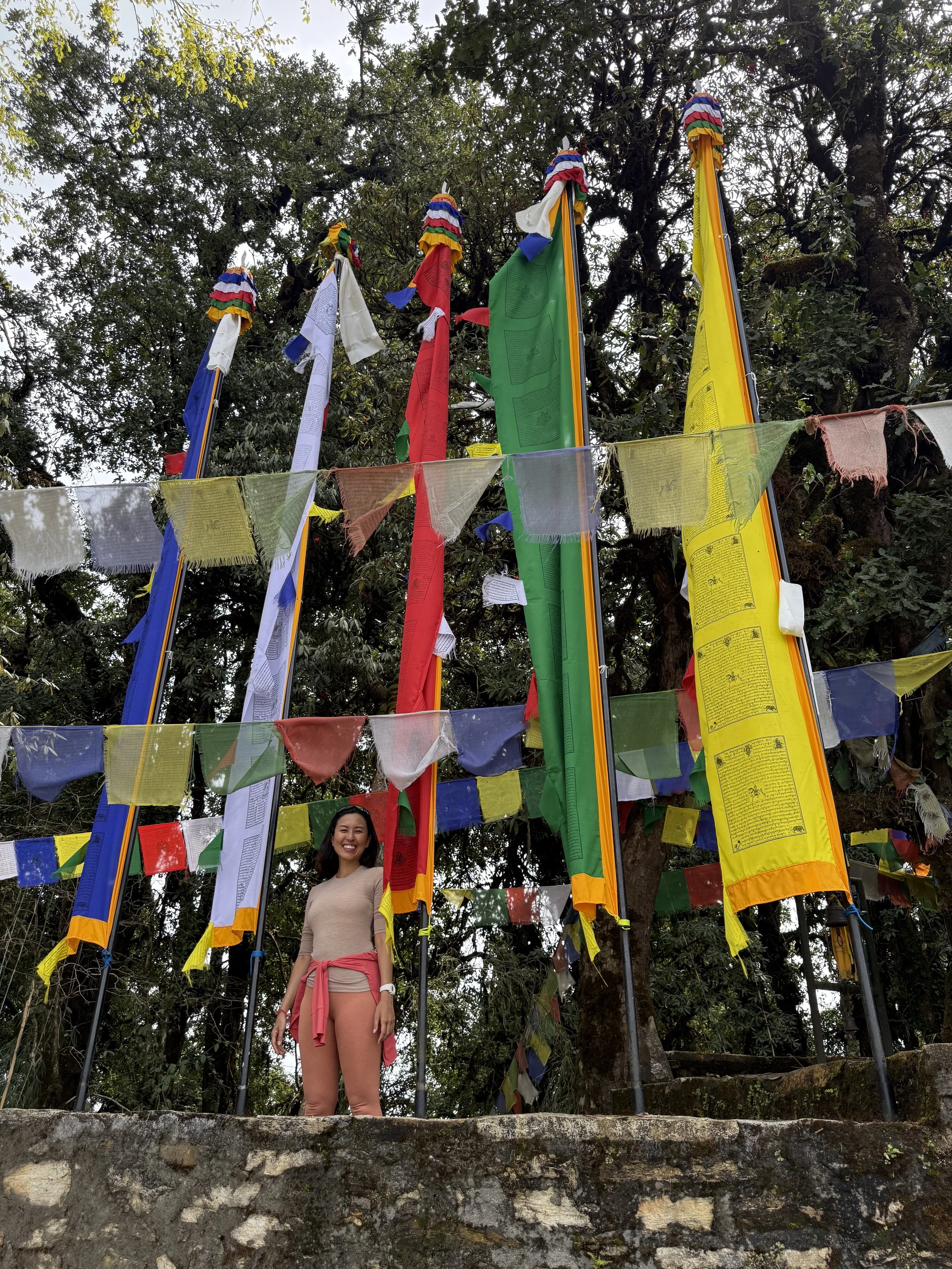
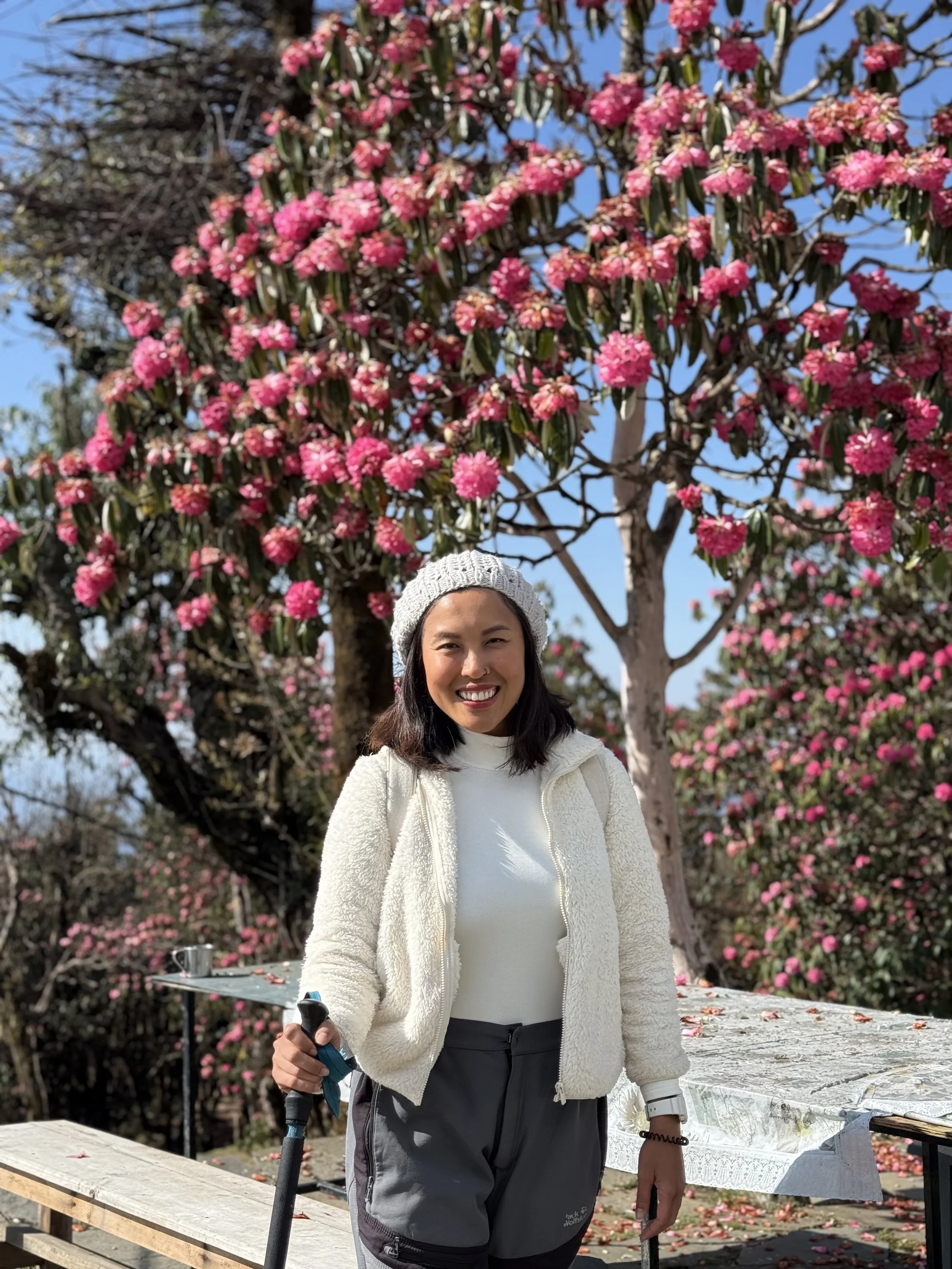
There is a saying we know well — stop and smell the roses. But in Nepal, the mountains offer a different invitation. Here, it is the laliguras — During my six-day ascent and descent of Mardi Himal,
rising to 4,200 metres, I chose — perhaps for the first time in a long while — to move in defiance of urgency.
In a world that asks for our attention at every turn, silence has become one of the rarest commodities of all.
At The Inner Temple 3 Silent Retreat, 16 of us stepped into that rarity together. For a time, we laid down the habit of unnecessary speech and entered a different way of being—one where presence became sharper, the senses became fuller, and the ordinary moments of each day revealed their hidden richness. Without the constant movement of conversation, we were able to truly savour life’s moments in all their potency, as though the world itself had become louder in the quiet.
This month, I finally changed the hero image on the OASIS website’s landing page.
It sounds small — a few clicks on a dashboard, a simple swap of an image — and yet, it took me far longer than I care to admit. I was deeply attached to the comfort and familiarity of the old photograph. It had been with me for years, anchoring the site in a sense of continuity and safety. Letting it go felt strangely confronting.
For the past seven months, my body, mind, and spirit have been practising Tantra — not as it’s often misunderstood, but as it was originally intended: a path of remembrance. At its heart, the beautifully distinct philosophy of Tantra teaches us to awaken through the richness of life itself — through sensation, presence, intimacy with experience, and the subtle movements of energy within us. It is a sacred invitation to meet life fully, consciously, and with care.