
What Do We Hear When We Finally Step Into Silence?
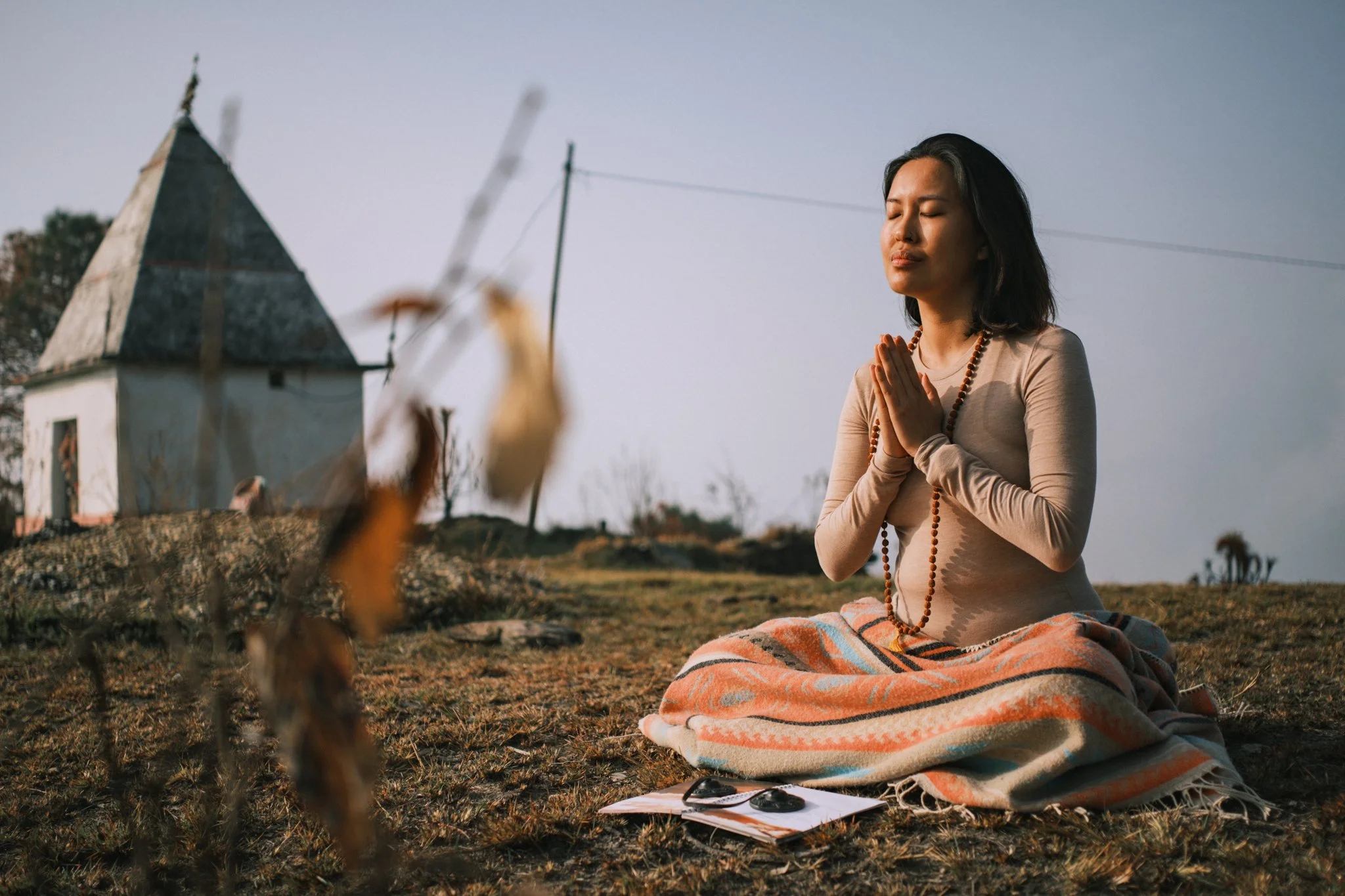
I have come to think of silence as giving ordinary moments enough room to reach us. At our retreat in the Himalayas, watching the evening sky after practice became one of those moments; I wrote about its vividness in my reflections from the retreat.
If you’re considering a silent retreat in Singapore, you may be hoping for space like this. You may also wonder what you’ll hear once nobody needs an answer from you.
What actually happens at a silent retreat?
A silent retreat sets aside time for practice, with an agreement to pause everyday conversation and reduce distractions. The day has a rhythm, although the activities and expectations depend on the organiser.
According to the Insight Meditation Society in the US, its retreats combine sitting and walking meditation with meals, teaching and opportunities to speak with a teacher. Some programmes have stricter schedules than others.
On a guided retreat, silence sits within a relationship of guidance and support. There may still be footsteps, instructions, someone moving their chair. The invitation is to spend time with experience without continually turning it into conversation.
That can feel unfamiliar when so much of your day involves explaining, arranging and responding.
At first, the working day may still be with you
You might put your phone away and still find yourself composing a reply. A conversation from yesterday returns. You begin wondering whether you’re doing this properly.
Sometimes a quiet room still contains the whole working day.
There may also be boredom, relief or unexpected enjoyment. You might move between them. There is no emotional timetable you have to follow.
According to the US National Center for Complementary and Integrative Health, mindfulness involves attending to the present moment without judgement. That offers a gentler starting point: noticing what is happening, including the wish for something different.
The question becomes, “What am I noticing?” A wandering thought can be part of the answer.
Related reading: What If Meditation Is Not About Silencing the Mind?
What becomes noticeable when nobody needs an answer?
If you work in HR or lead a team, you may recognise the habit of making yourself useful. Someone hesitates, and you offer reassurance. A problem appears, and you begin organising a response.
In silence, you might notice that impulse before there is anything to respond to.
I wonder how often we keep preparing to be needed. Even when nobody asks for anything, we may start looking for something to offer.
For a while, there is room to let an observation remain unfinished. You might notice tiredness without immediately planning a better routine, or enjoy a meal without mentally moving on to the next task. Perhaps the person beside you can simply be company, without a conversation to keep going.
A passing thought does not have to become a verdict on your life.
There is room to be curious about the impulse to act, and to consider whether anything needs doing yet.
Related reading: How Can Yoga Help Me Pause Before I Respond?
Choosing a silent retreat in Singapore
If you’re exploring a silent meditation retreat in Singapore, look closely at the programme as well as the setting. Ask to see a sample day.
How much time involves seated practice? Is there walking or movement? Is silence observed throughout, or during particular periods? Ask which tradition informs the teaching, and whether rituals are included.
Check the actual venue, too: an organiser based in Singapore may hold its retreats overseas.
I would also ask about alternative seating, breaks and how to reach a facilitator when something feels difficult. Discuss any access or support needs before booking. At IMS, for example, participants are asked to raise these needs in advance so the centre can explain what it can realistically provide.
A longer or stricter programme need not be your measure of commitment. Choose an experience whose expectations you understand and can meet.
Bringing a little of that attention into the working week
Afterwards, the useful question may be: what would I like to keep making room for?
You might choose one ordinary conversation. Notice when you begin rehearsing your answer, and see whether you can return your attention to the person’s last sentence before replying. There is something useful to explore in that small interval.
For those organising corporate wellness programmes, there is a practical consideration here. Protect the time you offer. Explain what participation involves, allow people to choose, and let their reflections remain private.
A workplace session has its own scope and pace. Workplace Wellbeing Seminars offer stress education and guided reflection, while Yoga for the Workplace offers movement and supported rest adapted to the group.
These can be ways to continue exploring awareness within ordinary working life, alongside practical attention to workload and boundaries.
Related reading: How Can I Make Room for Restorative Yoga in My Working Week?
What will we keep listening to?
I think back to that evening sky in the Himalayas, and to how much there was to notice when I stayed with the moment.
If you’re considering a silent retreat in Singapore, perhaps take that curiosity with you. You may return with a question, a small observation or a renewed appreciation for something familiar.
What would you like to give a little more attention to when you come home?
Your team spends much of the week responding to others. Give them time to notice their own needs, too.
Explore ways to invite OASIS into your workplace, with wellbeing experiences shaped around your people.
Frequently asked questions
Do I need meditation experience before attending?
Check the particular programme’s requirements. Ask whether beginners are welcomed, how much instruction is provided and how long the practice periods last. Share your experience honestly with the organiser so you can discuss whether the format suits you.
Can I speak if I need help?
Ask how support works before booking. IMS, for example, provides teacher conversations and access to retreat managers for practical questions. If you feel overwhelmed, seek support rather than treating silence as a rule you must endure at any cost.
What if my family needs to reach me?
Agree on a contact arrangement in advance. Some centres provide an emergency number; IMS also asks people with dependent family members to discuss their circumstances beforehand. Confirm the organiser’s own arrangements, including how urgent messages will reach you.