
Helping Teams Connect Without Forcing It
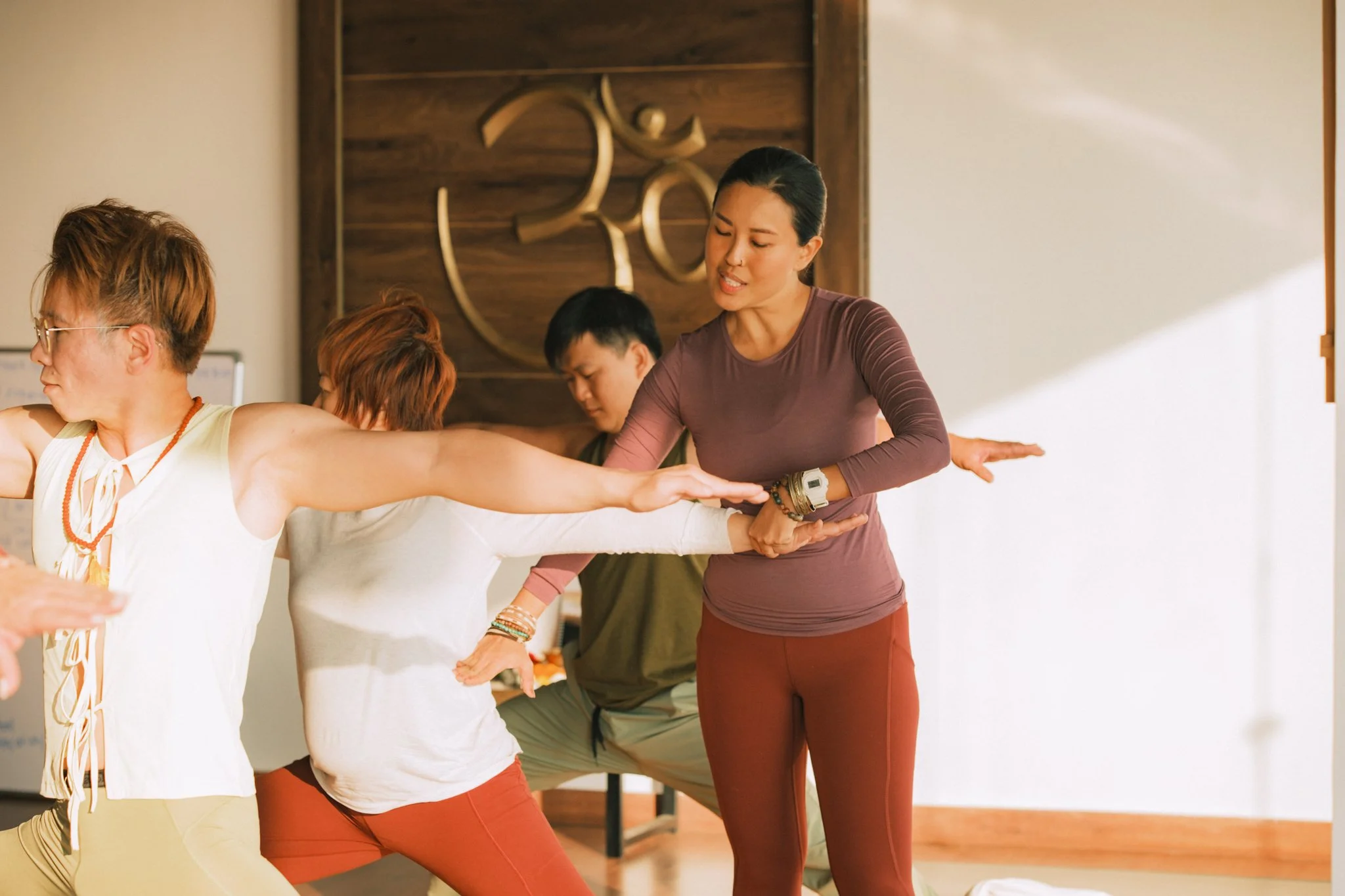
Over time, you get to know the people you work with in a particular way.
You learn who can untangle an invoice, who stays calm when a presentation goes wrong and who will always find an answer to a tricky question. You might rely on each other every day, yet know very little about one another beyond work.
That’s understandable when calendars are full.
Most conversations happen because something needs checking, finishing or fixing. There isn’t always much room to ask about someone’s weekend—and stay long enough to hear the answer.
Staff wellness can include making space for those small, everyday conversations.
There’s no expectation that everyone becomes close friends or shares more than they’re comfortable with. Just a chance to get to know each other without a task bringing you together.
Being together is only the beginning
A team lunch may be lively, yet leave everyone speaking to familiar faces. People can participate enthusiastically without learning anything new about one another. Attendance tells you who came; it does not tell you whether someone felt heard.
According to Harvard Business School’s Amy Edmondson, psychological safety involves being able to speak up without fear of humiliation or punishment. It is not simply everyone getting along.
For a shared activity, I would make room for an unfinished thought, a different preference or a question someone might otherwise keep to themselves.
Here are three simple formats you could explore with your team.
Three shared experiences for staff wellness
Listen without preparing a solution
For an eight-minute paired conversation, offer an everyday prompt:
“What is something you have enjoyed learning, making or rediscovering lately?”
Give each person two minutes to speak. Their partner listens, then reflects one detail and asks a follow-up question before they swap. Use the remaining time for that exchange.
Someone mentions growing herbs. Rather than suggesting a better pot, you might ask, “What do you enjoy about looking after them?”
I like this distinction. The hobby does not need improving; the person is being invited to tell you what it means to them.
According to a 2025 study published in Communications Psychology, higher-quality listening during conversations between strangers was associated with several indicators of connection. That supports paying attention to how we listen, without promising that one exercise creates lasting trust.
It is the spirit behind An Offering of Human Connection: hearing another person without immediately trying to fix something.
Make something nobody has to get right
Try a fifteen-minute “small pleasures” collage.
Give a group of four to six colleagues paper, pens and a selection of images. Invite each person to contribute something they enjoy: birdsong, a familiar walking route, the smell of something baking. They can draw, write or choose an image.
Arrange the contributions together. Then invite questions about anything the contributor is happy to discuss.
I would leave out the competition and the presentation at the end. There is no need to turn the collage into a statement about company values.
Let a picture lead to a conversation, or two very different drawings sit side by side. The shared creation gives people something to explore without placing anyone at the centre of the room’s attention.
Belonging need not require identical interests. You do not have to love gardening to be interested in why someone else does. Here, the invitation is to let different things matter.
Notice what helped you join in
After either activity, offer a minute to write privately, followed by around eight minutes of facilitated reflection in small groups.
“Was there a moment when it became easier to take part? What helped?”
Someone might say, “Having time to think helped,” or “I appreciated being asked about my drawing.” These are observations a team can use. Make room for what would have helped, too, without requiring a positive verdict.
A facilitator can keep the conversation specific: what did someone say or do that made participation easier? There is no need to interpret a colleague’s silence for them.
Psychologists Emily Butler and Ashley Randall describe co-regulation in close relationships as a two-way process that supports emotional stability. Their work is not a workplace prescription; I take from it a reminder to notice how our pace and responses might help someone feel more settled.
Shared reflection also features in OASIS Workplace Wellbeing Seminars, alongside accessible stress science and practical exercises.
Choosing employee engagement activities in Singapore for connection
Before booking, look at what participants will do with one another, not only what appears on the schedule. Will there be time to ask a genuine question? Can someone contribute through writing or making something, rather than speaking first?
Consider the people attending: the languages they feel comfortable using, accessibility needs and whether different levels of seniority will be present. Explain the activity beforehand and make passing an ordinary option.
For the broader question of format, explore corporate wellness activities that fit your team’s needs. Here, the focus is what happens between colleagues while they take part.
You need not organise all three experiences. Begin with one short exchange and ask what colleagues would welcome again.
Give the next conversation somewhere to begin
Later, the person who approves the invoice may also be the person you ask about their balcony herbs. The next conversation has somewhere new to begin.
This is a modest part of what corporate wellness programmes can offer, rather than an instant change in team culture.
Perhaps staff wellness can help us wear our name badges a little more lightly, remembering that there is someone underneath with more to share than a work update.
Give your team something to talk about beyond work.
Explore ways to invite OASIS into your workplace and share what you hope your team will experience. For a quieter shared practice, Yoga for the Workplace offers options for movement and rest.
Frequently asked questions
How can we make connection activities feel less awkward?
Share the prompt beforehand and start with pairs or small groups. Choose an everyday subject rather than asking people to reveal something surprising about themselves. Explain that there will be no unexpected presentation afterwards, and let participants decide how much they wish to contribute.
Do colleagues need to share personal stories to connect?
Personal does not have to mean private. A favourite place, an observation or a creative contribution gives someone something to respond to without asking for difficult experiences or family history. Invite curiosity, and ask permission before repeating a colleague’s story to the wider group.
How can HR tell whether an activity encouraged connection?
Offer optional, anonymous feedback: “Did you have a conversation you would like to continue?” and “What helped you feel included?” A later check-in can ask whether any conversations continued. Treat the responses as feedback on the experience, not a measure of employees’ sociability or proof of lasting trust.