
What Should I Expect from My First Yoga Group Class at Work?
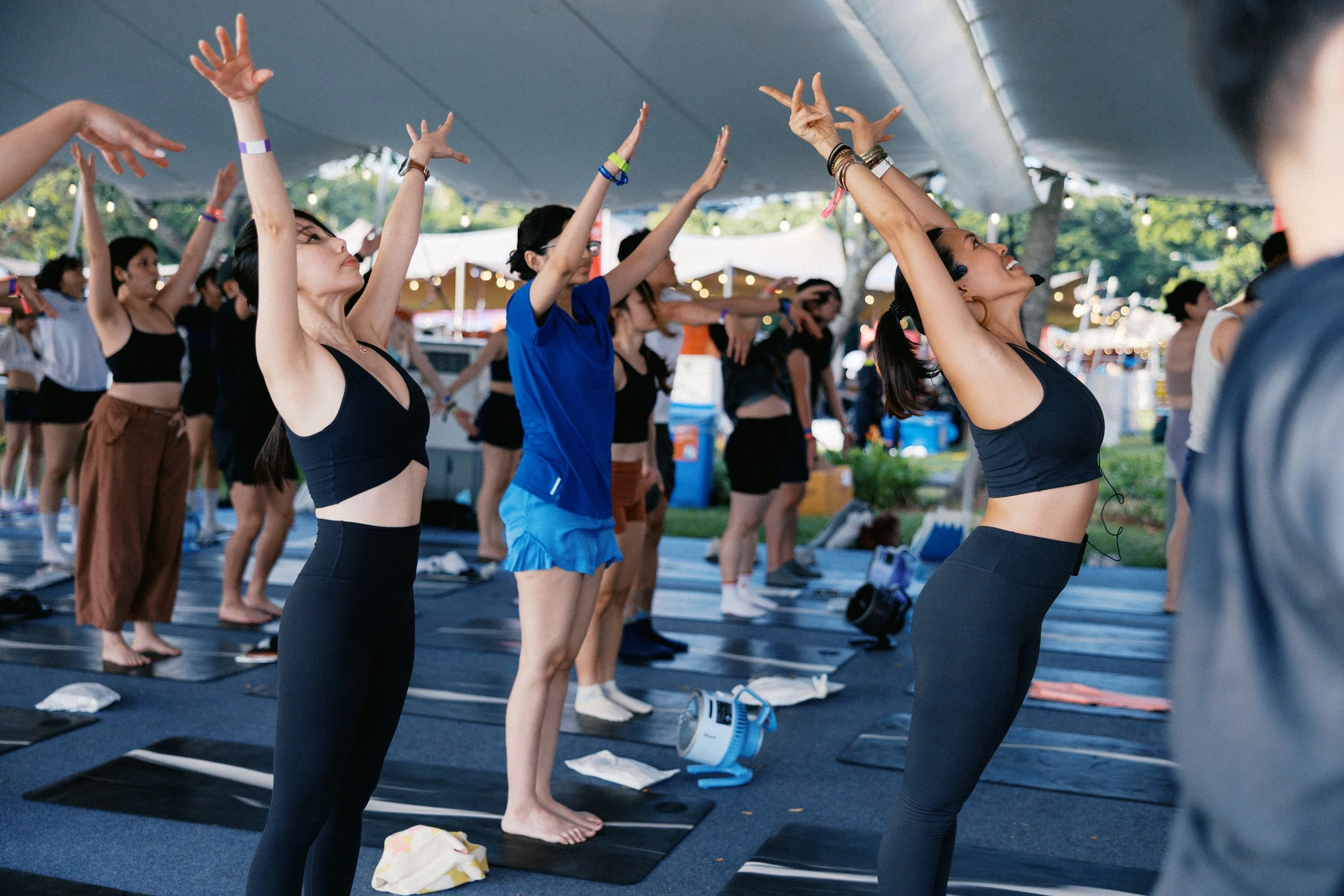
Being new at something feels different when the person on the mat beside you was leading the 9 a.m. meeting.
At your desk, you know the rules. In a yoga group class, you may suddenly be wondering where to put your shoes, whether everyone else knows the poses, and what happens if your body simply says, “not today”. When I hold a practice, I return to one simple idea: people should not have to perform wellbeing.
A thoughtful workplace yoga class is simpler than many first-timers imagine. You arrive, receive guidance, move or rest at your own pace and share an experience with colleagues without needing to keep up, disclose anything personal or leave feeling transformed.
Before you begin, there should be less to guess
You should know what kind of session you are attending, roughly how long it will last, what to wear and whether mats or props are provided. If there will be floor work, say so. If someone has an injury, mobility consideration, is pregnant or has another health concern, give them a private way to ask about adaptations.
For HR teams, this is a reminder that workplace wellbeing begins before the facilitator enters the room. Clear information, protected time and meaningful choice shape whether people can actually receive what is being offered.
I explore the wider responsibility in Building a Healthier Workplace: What Can Each of Us Do?
You do not need to know how to “do yoga”
Someone may have practised for years. Someone else may be meeting a yoga mat for the first time. Another person may recognise a posture but have no idea what it is called.
None of that should determine whether they belong there.
According to the US National Center for Complementary and Integrative Health, modern yoga commonly includes physical postures, breathing techniques and meditation, and styles range from gentle to physically demanding. Research suggests yoga may support stress management and general wellbeing, although findings vary across practices and populations.
OASIS workplace sessions may draw from alignment-based Hatha Yoga or Restorative Yoga and can be adapted to the needs and experience of the group.
Following the same guidance does not require everyone to move in the same way.
What if you cannot do a posture?
You pause.
Or make the movement smaller. Ask for another option. Watch for a moment. Decide not to do it.
That can feel surprisingly difficult when colleagues are still moving around you.
A well-held yoga group class makes options part of the practice rather than a special exemption for the person who cannot “keep up”. If a movement causes pain or is not suitable for your body that day, forcing it is not a measure of commitment.
NCCIH notes that yoga is generally considered safe for healthy people when practised appropriately, but injuries can occur and some people may need modifications or medical guidance.
What changes when colleagues practise together?
You are having an individual experience in company.
At first, you may be very aware of who is beside you. Then attention may move towards the instruction, the contact of your feet with the floor, the tension in your shoulders or your own breath.
Perhaps the colleague next to you rests before you do. Nobody makes an event of it. A few minutes later, you choose a different variation yourself.
Nothing dramatic has happened. Yet the room has quietly shown that people can share an experience without responding to it identically.
Connection does not always require an icebreaker, a competition or a conversation asking people to reveal something personal. Sometimes there is simply something companionable about moving, breathing or resting in the same room.
I would be careful, however, about turning that into a sweeping claim that everyone’s nervous system is “synchronising”. People can occupy the same quiet room and have very different internal experiences.
According to Harvard Health, yoga brings movement, breathing and focused attention together, and regular practice is more relevant to stress management than expecting one session to carry the whole burden.
When the class ends, you do not have to feel transformed
Perhaps your shoulders feel different. Perhaps you simply understand what a yoga class involves now. Perhaps the most useful thing you learnt was that you can stop before discomfort becomes pain.
A workplace wellbeing experience can create a pause, but it cannot make an unreasonable workload reasonable.
The World Health Organization recommends addressing workplace conditions themselves—including excessive workload, inflexible hours, low job control and poor support—alongside individual wellbeing support.
Yoga should not become training in how to tolerate what also needs to change.
For a wider look at this, read What Can Corporate Wellness Programmes Really Offer?.
If you are organising yoga in corporate wellness programmes
For HR and managers, I would begin with one question:
What would someone need to know to choose this experience comfortably?
Explain the format. Protect the time. Make participation and adaptation options clear. Give people a private route for practical questions. If photography, touch, partner work or another interactive element is planned, tell people beforehand rather than creating a surprise in the room.
And look beyond attendance.
Did people understand what was being offered? Did they feel able to make choices? Was there something useful they could return to afterwards?
That is a more thoughtful starting point for yoga in corporate wellness programmes than simply trying to fill every mat.
For more on building the framework around an activity, see What Does Workplace Wellness Look Like on an Ordinary Day?.
Your first class does not need to become a performance
I began with that slightly strange feeling of being a beginner beside people who already know you as capable.
For a short while, nobody needs you to know the answer first. You can listen. Try something. Change your mind. Rest. Begin again.
The next time you enter a yoga group class, there may simply be a little less to guess.
And sometimes, that is enough for a practice to begin.
Frequently Asked Questions
Do I need to be flexible or have yoga experience?
No previous experience should be assumed in a beginner-friendly workplace class. Flexibility is not an entry requirement. Ask whether the session welcomes beginners and whether alternatives will be offered. For organisers, including this in the invitation can remove a surprisingly common barrier before anyone even reaches the mat.
What if I have an injury, am pregnant or cannot comfortably practise on the floor?
Contact the organiser or facilitator privately beforehand. Some movements may need to be modified or avoided, and not every yoga format suits every person. Depending on your circumstances, you may also need advice from a healthcare professional. A thoughtful class makes room for these conversations rather than assuming every body needs the same practice.
Will I have to talk about personal feelings or interact closely with colleagues?
Not simply because the class is held as a group. Yoga can be shared without requiring personal disclosure. If a session includes partner work, group reflection, touch or another interactive element, participants should know beforehand and have meaningful choices about taking part. Connection does not have to be forced to be felt.
Curious What This Could Feel Like for Your Team?
A first workplace yoga class should not ask people to squeeze themselves into one idea of what yoga—or wellbeing—should look like.
Explore Yoga for the Workplace and discover how OASIS can shape a practice around your team.
If your team would benefit from understanding stress before moving into practice, explore Workplace Wellbeing Seminars.
Or discover the ways to invite OASIS into your workplace and begin with what your people may actually need.