
What Happens to Your Breathing During a Busy Workday?
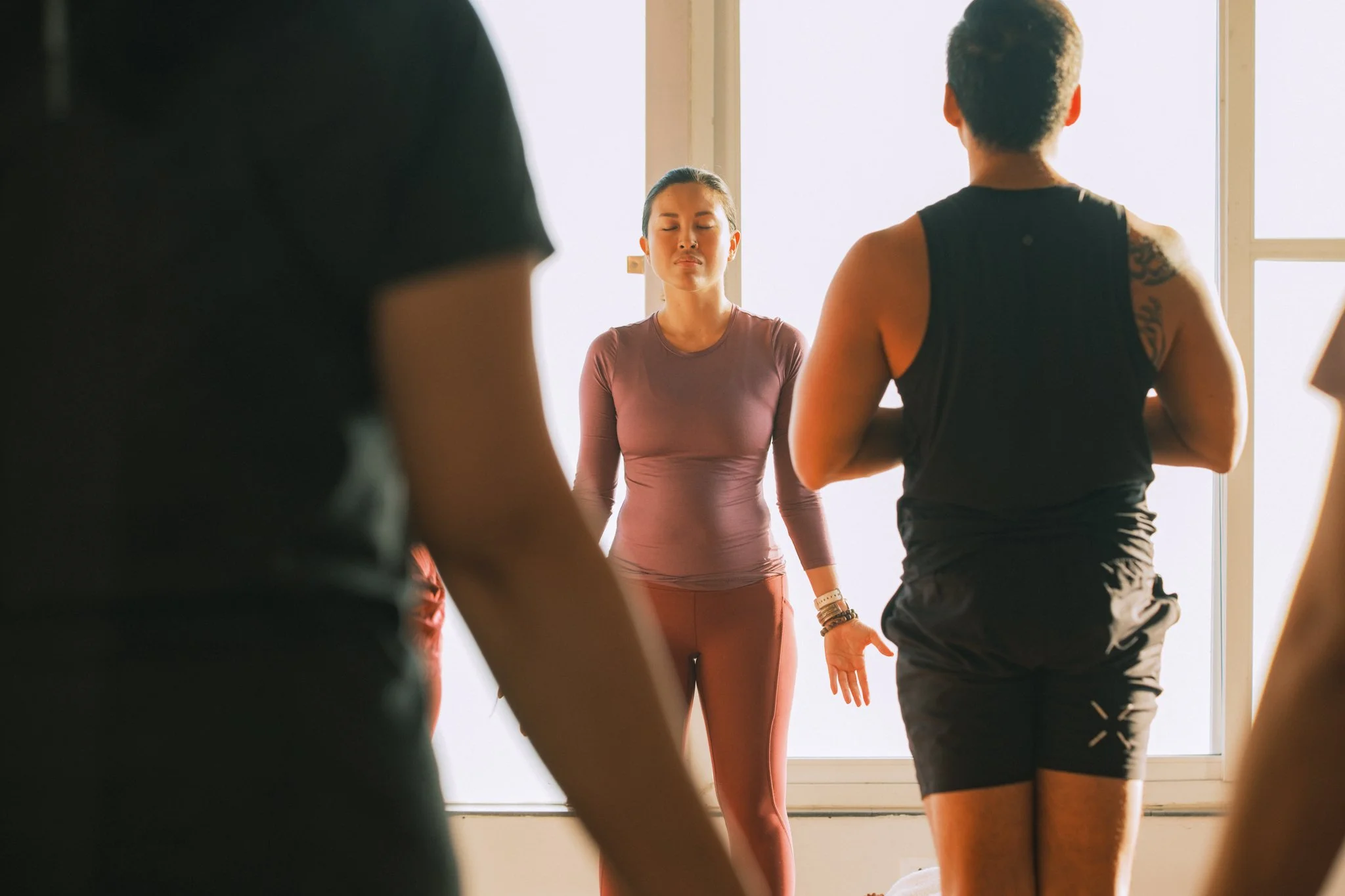
I find the moment between meetings revealing. You click “Leave”, open the next invitation and realise there has barely been a pause. The calendar tells you where to be; it says very little about how you arrive. For anyone exploring breathwork in Singapore, I would begin here: with the breathing that accompanies the ordinary rush of a working day.
If you arrange wellbeing sessions for colleagues, you may recognise this pattern in your own diary.
Why can your breathing hurry when you are sitting still?
A working day can ask a great deal of you without asking you to leave your chair. There are decisions to make, unfamiliar problems to untangle and conversations whose wording needs care.
According to a review published in Neural Plasticity, mentally demanding tasks tend to increase breathing rate. Breath depth remained relatively stable overall: concentration does not make everyone breathe more shallowly.
You might notice breathing that feels shallow, or a brief pause while concentrating. These are invitations to observe your own pattern. Mental effort and emotional stress are different experiences, and a change in breathing alone cannot tell you which you are experiencing.
Perhaps the useful question is simply: What happens to my breathing when I become absorbed in something?
Three moments to get to know your breath
Breath awareness begins with noticing. A breathing practice may also involve adjusting the rhythm. I would begin gently, with curiosity about what feels comfortable.
Before opening your inbox: notice
Take a moment to observe two or three ordinary breaths. For these few breaths, simply observe. Does breathing feel easy, hurried or barely noticeable?
If this brings your attention to other sensations, you can explore How Can a Simple Body Check-In Support My Health and Wellness at Work?
Between meetings: ease the effort
Let the chair support your back and rest your feet comfortably. See whether you can soften any unnecessary effort in your jaw or shoulders.
Allow a few gentle breaths at your own pace. This brief check-in is an opportunity to notice how you are arriving at the next task.
During a protected break: give it a few minutes
The NHS recommends gentle, regular breathing, without forcing the breath, and describes a practice lasting at least five minutes.
Sit comfortably. Try breathing in through your nose and out through your mouth, at a pace that feels easy. Counting can help some people; you can leave it out. Allow the breath to move only as deeply as feels comfortable, and stop if the practice feels unpleasant.
Choose one of these moments to begin with. Afterwards, ask yourself: What would help me now? Perhaps it is a change of position, a proper break or clarification about a deadline. Let the observation lead to something useful for you.
What would make this possible for your team?
If you work in HR or management, you probably know how quickly a well-intentioned suggestion meets a crowded diary.
Before encouraging colleagues to practise, consider where the time would come from. Could a meeting finish a few minutes earlier? Could a scheduled break remain free of routine requests?
This is where employee wellbeing policy and workplace wellbeing culture become practical. People need arrangements that make participation possible and the freedom to choose.
A breathing practice cannot renegotiate a deadline. That conversation still belongs to the people who can change it.
What should a breath workshop help people learn?
For teams considering breathwork in Singapore, I would look for clear explanations, comfortable options and a practice people can return to during an ordinary week.
Ask how the facilitator adapts instructions, whether people can keep their eyes open or observe, and what support is offered if something feels uncomfortable.
The amount and type of practice matter. In a Stanford-led randomised study, participants practised breathing exercises or mindfulness for five minutes daily over a month. Participants practising exhale-focused cyclic sighing showed greater improvements in mood and larger reductions in breathing rate than the mindfulness group. This does not establish what one workshop or a few breaths between calls will achieve.
For a team that wants to understand how stress and breathing can interact, OASIS Workplace Wellbeing Seminars bring together stress education, breath awareness and reflective practices.
If supported rest feels like a useful next step, continue with How Can I Make Room for Restorative Yoga in My Working Week?. You can also explore Yoga for Your Workplace for guided movement, breath awareness and rest.
Before you click “Join” again
Perhaps tomorrow you choose just one transition: the moment after a call, before the next email, or as you sit down to begin.
For organisations exploring breathwork in Singapore, this is a useful place to start the conversation: what could help your people recognise their patterns, and what would make it easier to respond?
Find wellbeing support that fits your team: invite OASIS into your workplace.
The next meeting will still have an agenda. Give yourself a moment to notice the breath you are bringing with you.
Frequently asked questions
Do I need a quiet room or a yoga mat?
For the gentle practices described here, a comfortable chair is enough. You can keep your eyes open. You may prefer a quieter place while learning; choose somewhere you can give yourself attention without needing to answer every notification.
What if focusing on my breath makes me uncomfortable?
Stop the exercise and let your breathing find its own rhythm. You can look around the room or notice the support of your chair instead. NHS Fife advises stopping if you feel dizzy or light-headed. In a workshop, you should be free to sit an exercise out.
How can HR tell whether a breath workshop was useful?
Offer an optional, anonymous follow-up a week later. Ask: “Was there anything you felt comfortable using afterwards?” and “What made it easy or difficult to find time?” Use the answers to improve support. Attendance alone gives you little insight into what people learnt or could use.